Film industry programme

SCA Directions

A space for knowledge, experience and dialogue that connects the Lithuanian and international film communities.

Discussions, workshops and meetings on how a film travels from idea to audience: creation, financing, distribution and international reach.

  • For film professionals – Deepen your skills and build new collaborations.
  • For emerging filmmakers – Understand how a film travels from idea to audience.
  • For anyone interested in film – See how cinema is made, distributed and kept alive today.
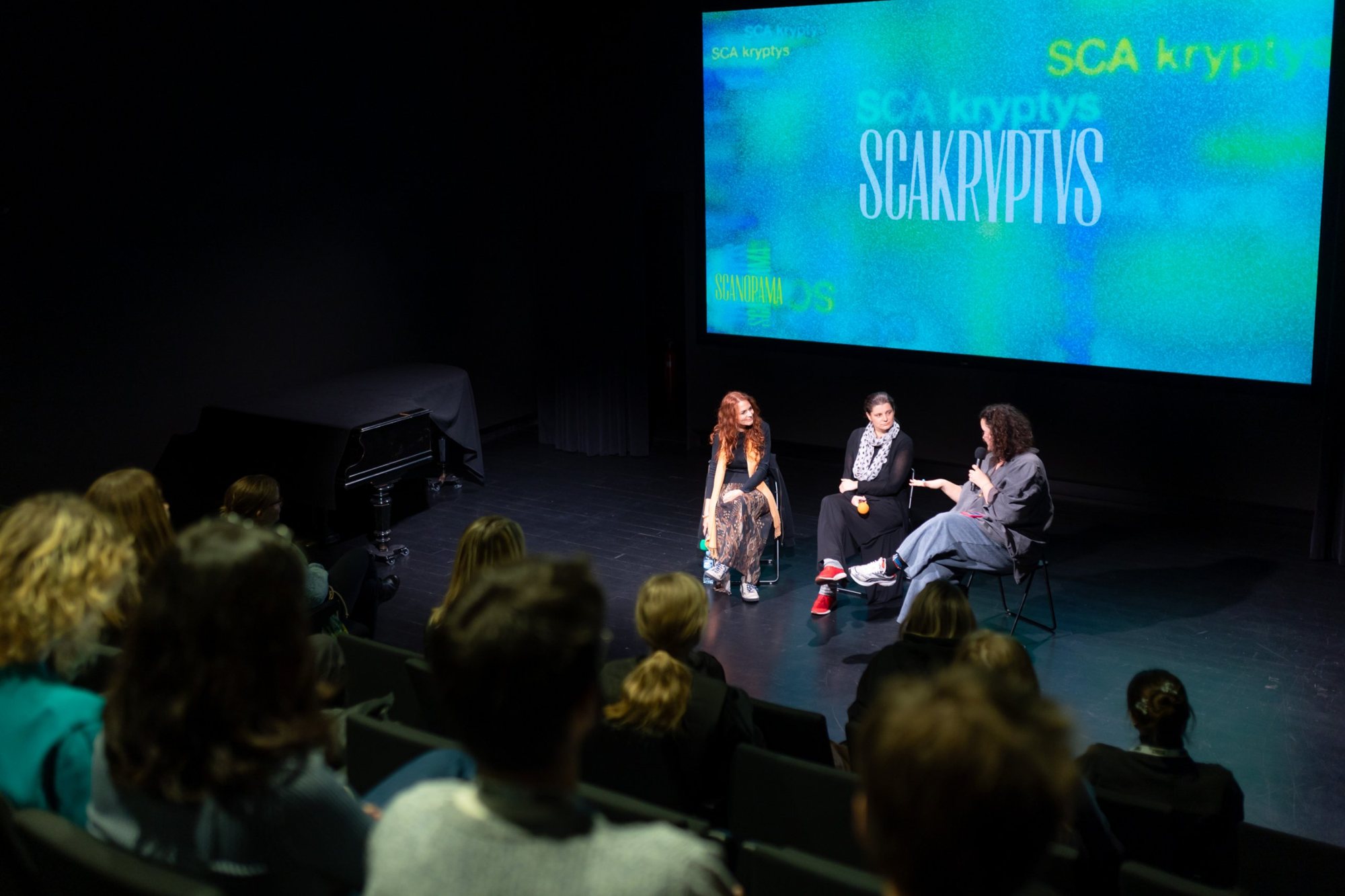
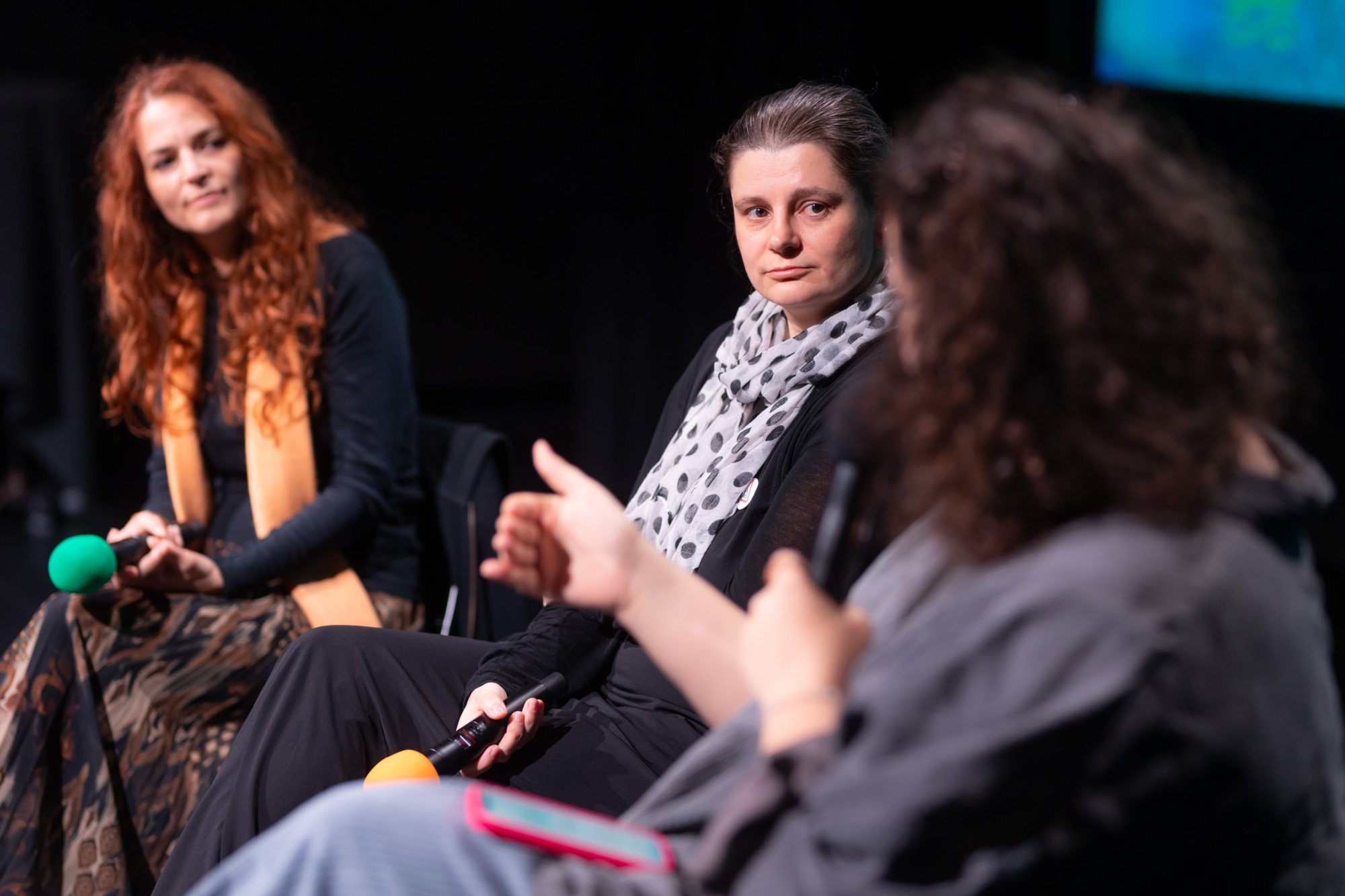
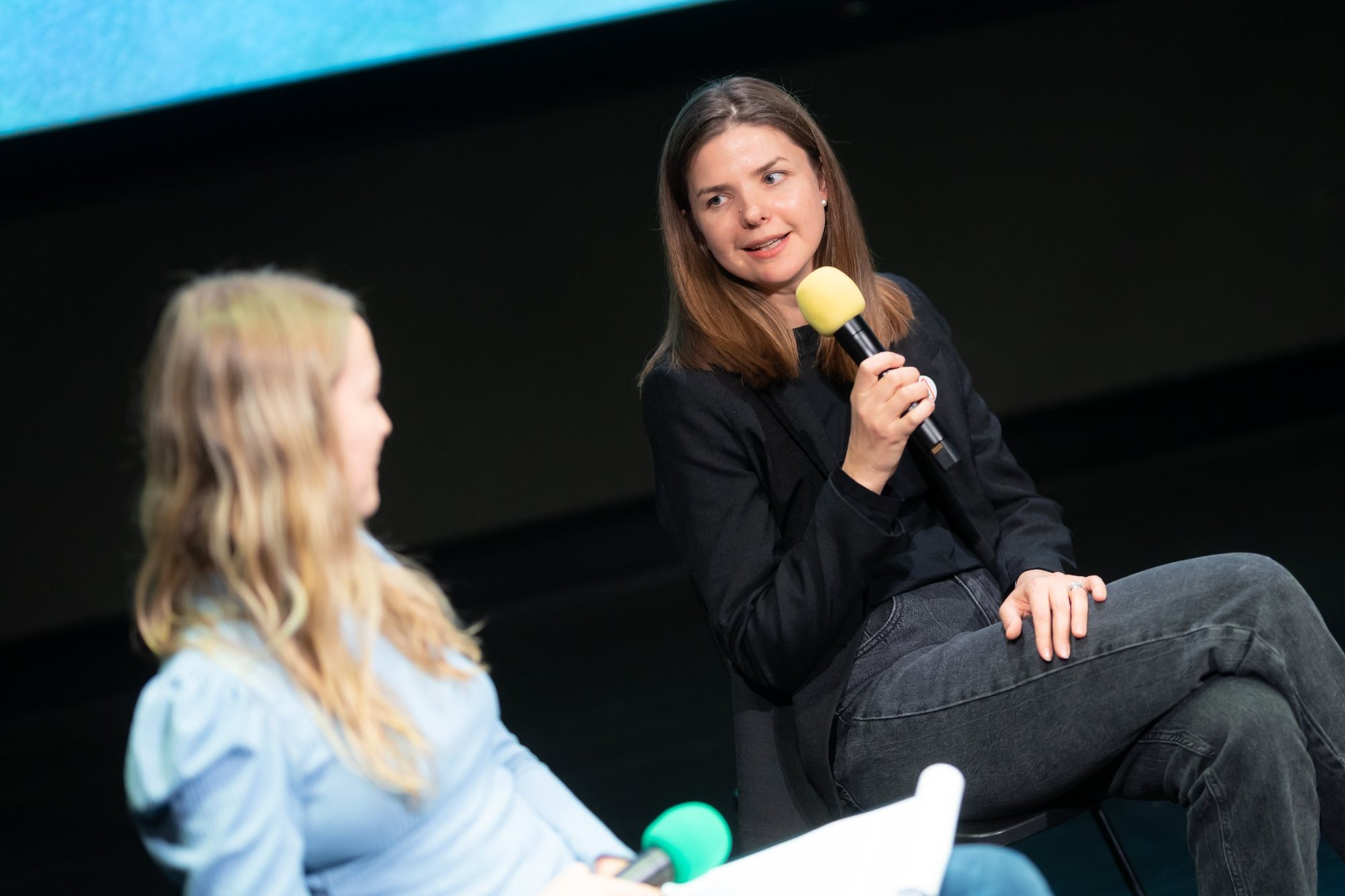
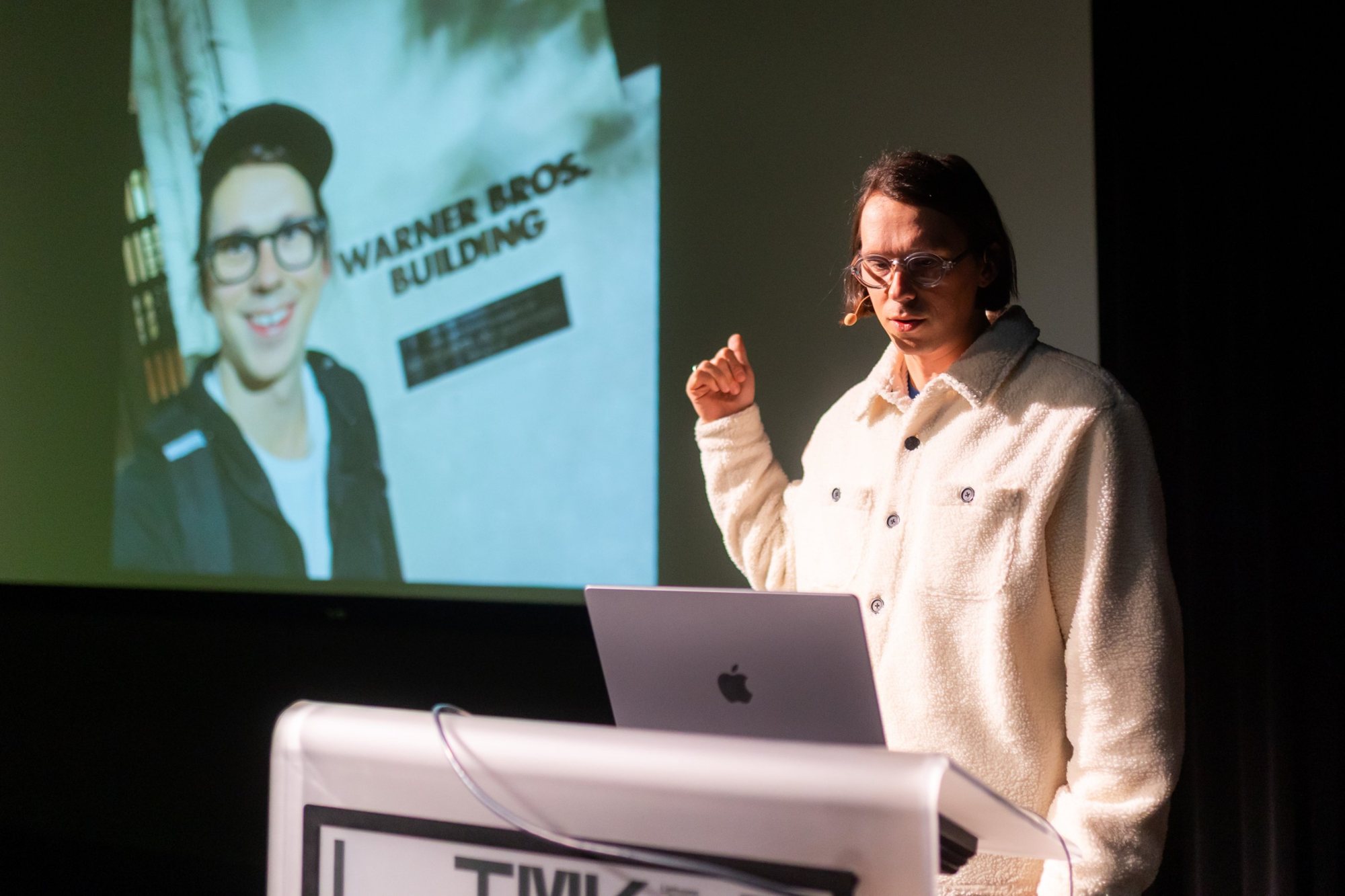
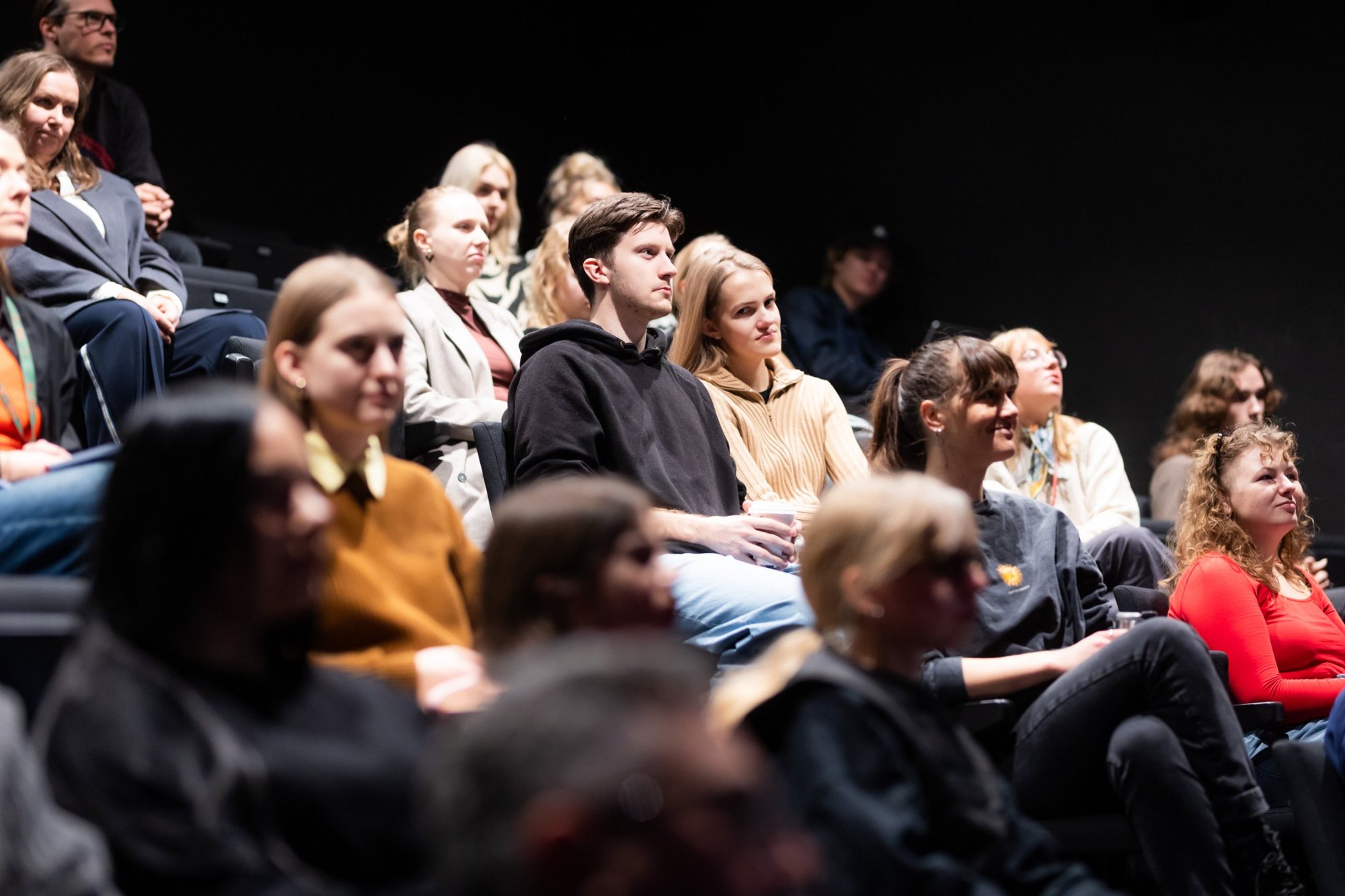
Moments from SCA Directions
Moments from SCA Directions 01 / 05

Events

5–22 November 2026. The full programme will be announced soon – you’ll be able to register for events here.

upcoming
4
past
0
Format
Theme
November 7 11:00
Workshop · Creative processes A Greener Film Industry: From Idea to Screen Agathe Duliscouet
Explore practical sustainability across film production, distribution, festivals and viewing habits with MIOB green policy expert Agathe Duliscouet.

In recent years, sustainability has become an increasingly common topic in the film industry – at festivals, within production companies, and among audiences. Yet the path from discussion to real, everyday practice is still a long one. In this workshop, together with Agathe Duliscouet, green policy expert of the European film festival network MIOB (Moving Images – Open Borders), we will explore how to turn sustainability ideas into concrete practice across the entire film creation and distribution chain.

Together, we will trace the whole journey of a film: from the production stage (film sets, props, costumes, transport, energy use) to distribution, festival organization, cinema operations, and audience viewing habits. We will discuss which stages of the industry cause the greatest environmental impact, and share concrete examples of how the film industry worldwide is already responding – from sustainable production standards and certifications to festivals reducing their carbon footprint and shifting audience habits.

How an idea is born and how it becomes a film.

Speakers
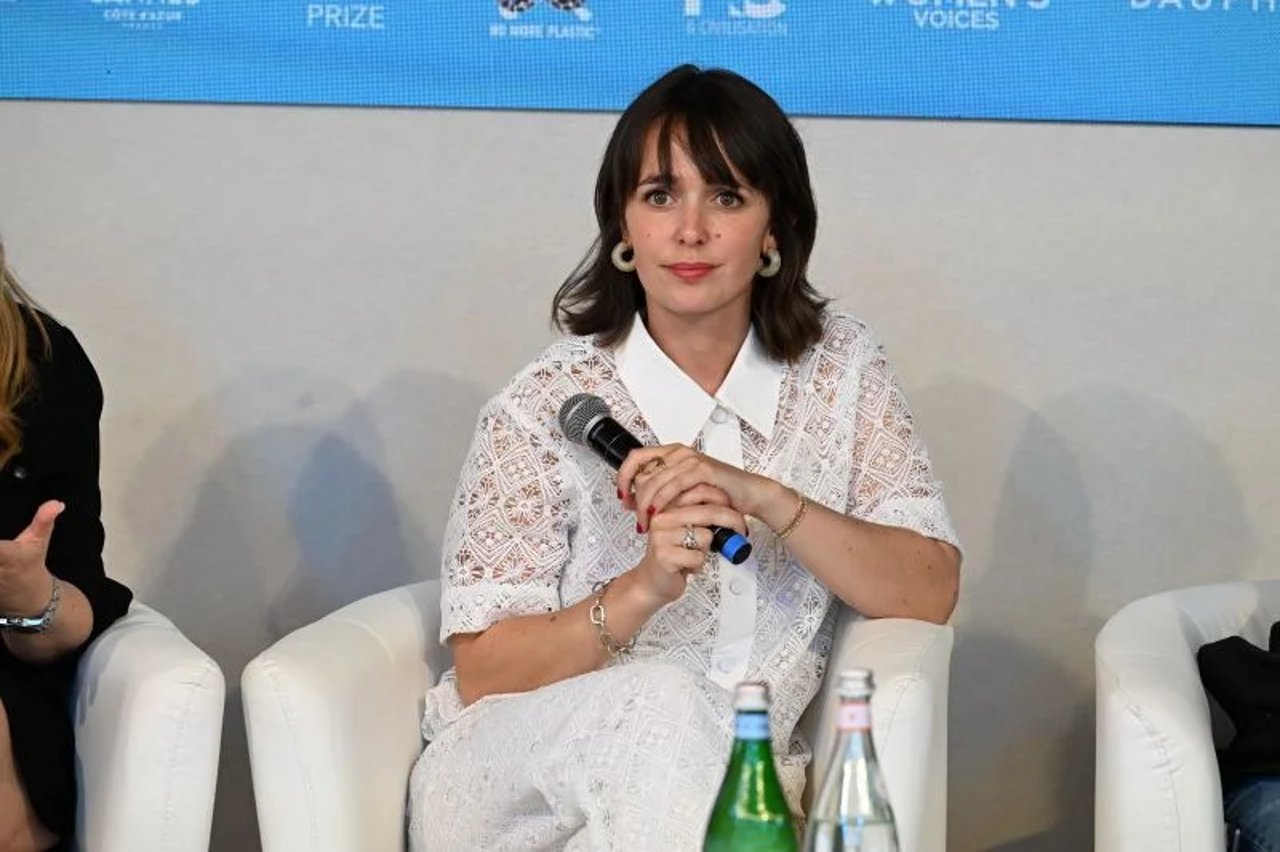
Agathe Duliscouet

Ggreen policy expert of the European film festival network MIOB, "Moving Images – Open Borders"
Activity page ↗
November 7 13:00
Workshop · Creative processes Why Cut When You Can Fade Miklós (Miki) Ambrózy, Greta Grinevičiūtė, Miglė Križinauskaitė

An artistic research workshop exploring agency through collaboration across cinema, dance, movement and other disciplines.

Why Cut When You Can Fade is a fluid artistic research practice that explores agency through active collaboration. Rather than following a fixed method, it unfolds through a sustained dialogue between the codes of poetics, cinema, choreography, dance, movement research, and other fields — allowing each discipline to inform and unsettle the others. Through this exchange, the practice develops experiential methods: ways of working that are discovered in the moment, through the body, through attention, and through shared presence, rather than imposed in advance.

Central to this approach is an embrace of the knot of not-knowing — treating uncertainty not as an obstacle to be resolved, but as a generative space where new forms of collaboration and perception can emerge. Agency, in this context, is understood as something continuously negotiated between participants, between disciplines, and between the body and its surroundings.

The practice was initiated by Miklós (Miki) Ambrózy, Greta Grinevičiūtė, and Miglė Križinauskaitė, who continue to develop it as an open, evolving collaboration across artistic fields.

How an idea is born and how it becomes a film.

Speakers

Miklós (Miki) Ambrózy

Greta Grinevičiūtė

Miglė Križinauskaitė

Activity page ↗
November 14 11:00
Discussion · Professional identity The Director–Producer Tandem Rinaldas Tomaševičius, Kai Stänicke, Kim Ekberg, Lineta Lasiauskaitė

A discussion on trust, communication and balancing creative vision with practical production in director–producer collaborations.

At the heart of every film lies a relationship between two roles – creative vision and its realization. Most often these roles are carried by two different people – a director and a producer – but sometimes both roles meet in a single person, who must balance creative perspective with the practical realities of making a project happen. In this discussion, we'll dig into this relationship – whether it lives between two collaborators or operates within one person at the same time – and talk about what principles of trust, clear communication, and division of responsibility allow this dynamic to work, without losing either creative freedom or control over the project.

We'll discuss why finding "your person" – whether that means another human being or the ability to find balance within yourself – can be the decisive factor in whether a project ever reaches the screen. The panelists will openly share their personal experience – working in tandem with another person, or taking on both roles at once – and talk about the successes, challenges, and lessons they've learned along the way.

This session is for anyone developing their own creative projects – whether you're looking for the right collaborator, or figuring out how to balance the creative and producing sides within yourself.

What it means to be a film professional in a global context.

Speakers

Rinaldas Tomaševičius

Director

Kai Stänicke

Director

Kim Ekberg

Director and producer

Lineta Lasiauskaitė

Prodiuserė

Activity page ↗
November 14 13:00
Lecture · International reach Co-production Opportunities in Europe Viktoras Bachmetjevas

Meeting the Other: From the Gaze to the Face

What does it mean to truly meet another person, rather than merely see, understand, or name them? This discussion invites us to look at the concept of the Other in twentieth-century philosophy. Jean-Paul Sartre described the Other as a gaze that objectifies us and takes away our place at the centre of the world. Martin Buber contrasted the thing-like “I–It” relation with the living, reciprocal “I–Thou” encounter. Emmanuel Levinas understood the Other as a face that never fully yields to our knowledge and that speaks to us first and foremost as an ethical demand: “Thou shalt not kill.” Jacques Lacan distinguishes the small other, our mirror reflection, from the big Other, the order of language and the symbolic, which shapes us before any encounter and in which our desire is always the desire of the Other. Julia Kristeva reminds us that the stranger also lives within ourselves, while Jacques Derrida raises the question of unconditional hospitality: is it possible to welcome the newcomer without domesticating them?

Cinema, as an art that shows faces in close-up and lets us look at another for a long time, seems especially suited to these questions, yet it also carries the risk of turning the Other into a spectacle. In this discussion we will ask whether the screen can become a place of encounter where the other remains other: irreducible, unsettling, and placing an obligation on us. Or perhaps cinema merely reaffirms the power of our gaze?

Festivals, co-productions and the road beyond Lithuania.

Speakers

Viktoras Bachmetjevas

Philosopher

Activity page ↗

Get in touch

Want to take part, suggest a topic or become a partner? Write to us – we’ll reply by email.