Lina Žukauskaitė
The feature film “Spring” had its world premiere in the Special Screenings section of the official program of the 79th Cannes Film Festival. The Lithuanian, French, Estonian and Ukrainian co-production was also presented at the 54th FEMA film festival, La Rochelle Cinéma, and the 28th Rio de Janeiro International Film Festival.
“Spring” will premiere in Vilnius on November 15 at the Scanorama film festival. The film, starring Lithuanian actors Kęstutis Cicėnas, Valentinas Novopolskis and Daumantas Ciunis, will arrive in cinemas on November 20.
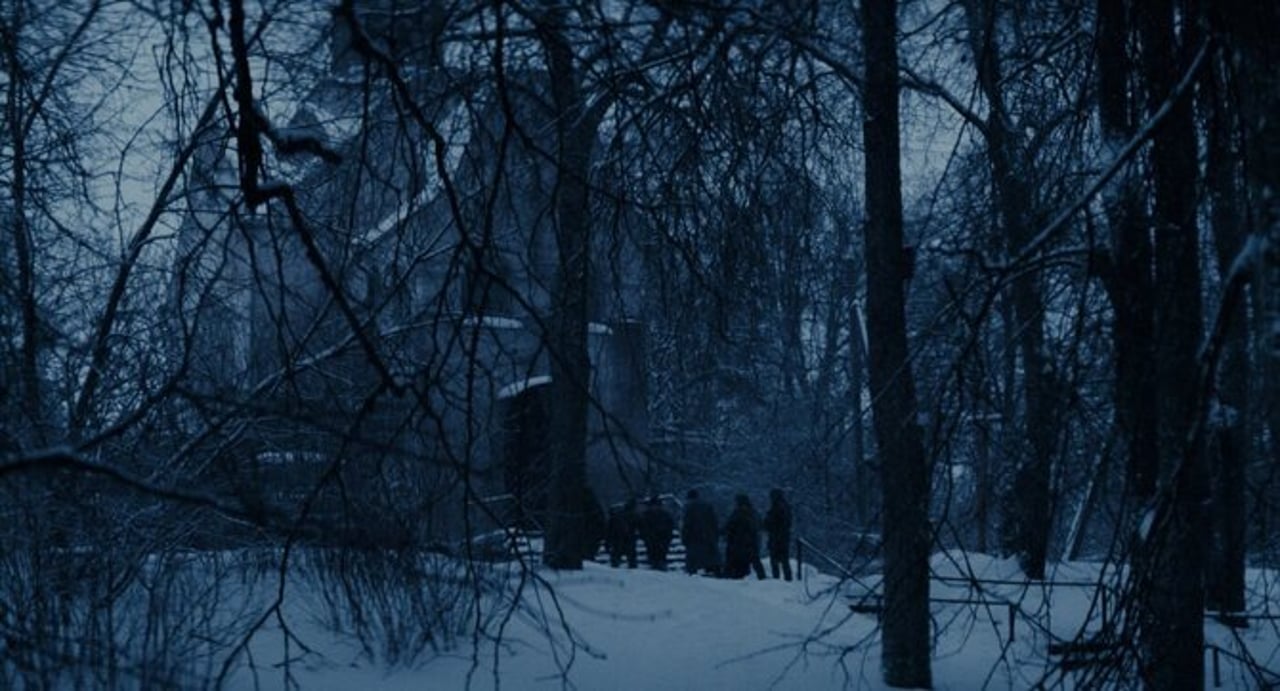
The film is set in a small town in southeastern Ukraine occupied by Russia. At its center is Andriy, an Orthodox priest played with restraint and conviction by Lithuanian actor Kęstutis Cicėnas. Andriy is forced to guard the bodies of Ukrainian civilians. The occupiers have seized his church and turned it into a morgue for the murdered. Burying them one by one is forbidden; every three weeks, military trucks haul the bodies away. The victims of the war are hidden in mass graves.
Risking his life, the priest secretly returns the bodies to their families. The onset of winter makes his task even harder: the simple, human wish to dig a grave for a loved one becomes a heroic act of resistance that puts his life in danger.
“Very little in the film is fictional,” says director R. Kirpičenka. “This is a common tactic used by occupiers, intended to break people, terrorize them and take away their ability to grieve. On the other hand, the bodies are evidence of war crimes and crimes against humanity. Mass graves are an attempt to erase the traces of war crimes. This has happened in every occupied territory—the atrocities become visible when those territories are liberated.”
Ukrainian critics note that “Spring” masterfully reveals spiritual terror. The tension in the film comes not from a struggle for physical survival, but from an agonizing crisis of conscience. The battle between David and Goliath becomes a bleak, oppressive psychological reality that a lonely priest and a handful of the town’s residents must endure.
The film contains no tense combat or battle scenes. Instead, these are replaced by a subdued palette of images from Lithuanian cinematographer Vilius Mačiulskis, revealing the everyday rituals of handling the dead, while eleven-year-old Makarov becomes a silent witness to Andriy’s resistance.
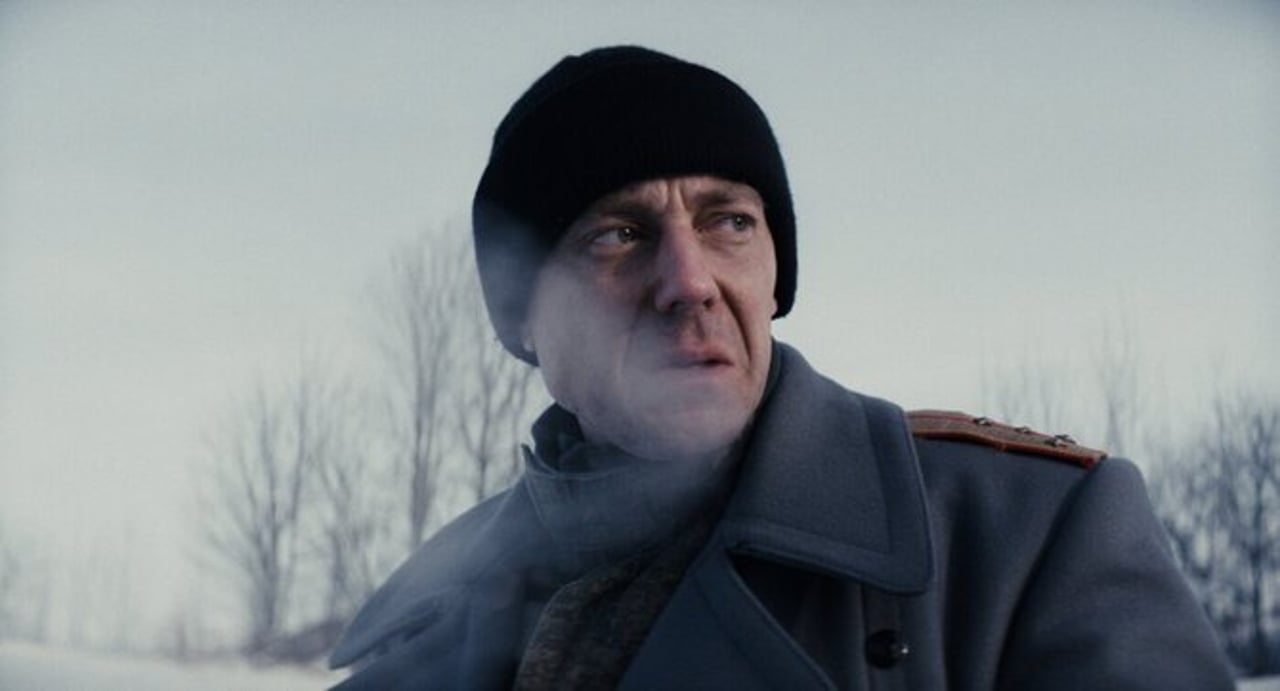
The film plunges viewers into the chilling, bureaucratic silence of occupation. It sensitively explores how to preserve one’s conscience and moral integrity in such a hopeless situation. These themes in particular captured the interest of the Eastern European film critics’ community.
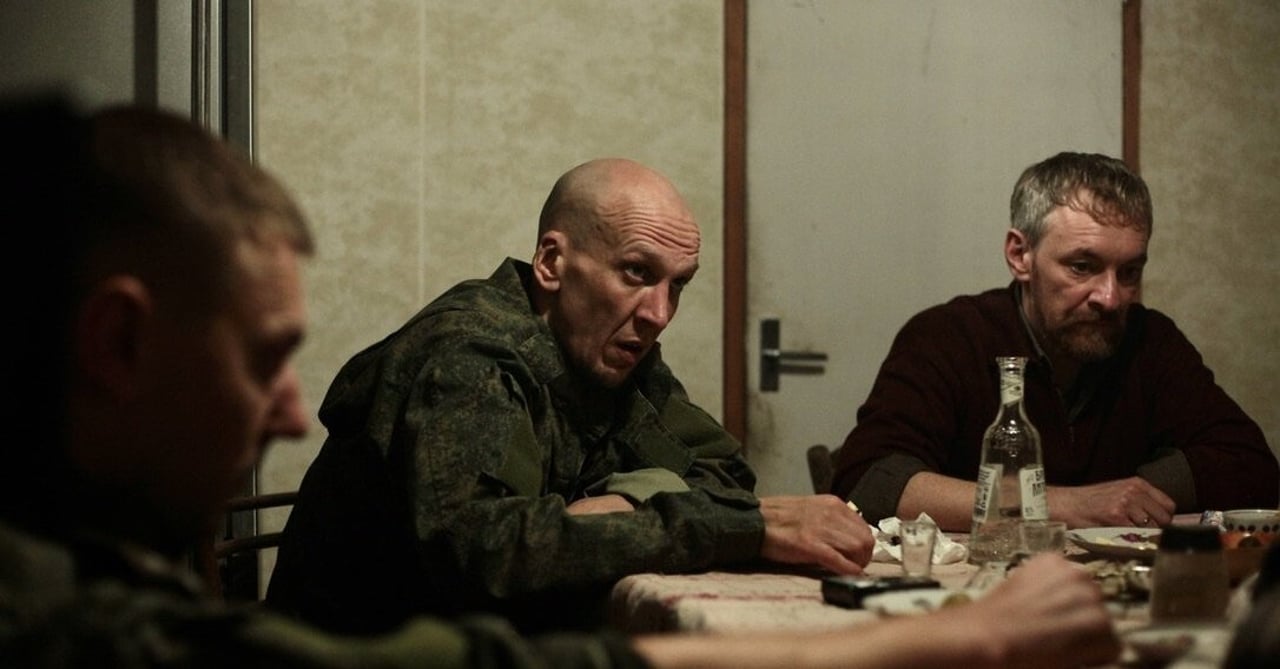
“One of the film’s main characters chooses to collaborate with the occupiers to protect his family, but that explanation is not enough. It is too easy to say that the cruel Russian captain is a monster or a madman, and in doing so absolve ourselves of responsibility. Every action has a reason, so it was important to me to examine what drives the characters to act with extreme cruelty,” says the film’s director.
He is convinced that occupation creates situations that inevitably prompt actions that ultimately exceed the people who carry them out. Every action has consequences. Evil causes not only what one might expect of it, but also spreads long-lasting poison. Yet the desire to do good and resist, however heroic it may seem to us, can sometimes become harmful.
“The priest knows perfectly well what is right and what is wrong, but war sometimes demands different answers. Hasty reactions can make the situation of those around you even worse. Occupation creates its own space-time. It is as if it exists beyond morality. Or perhaps this space simply disregards morality, because it is constantly confronted with death and suffering.
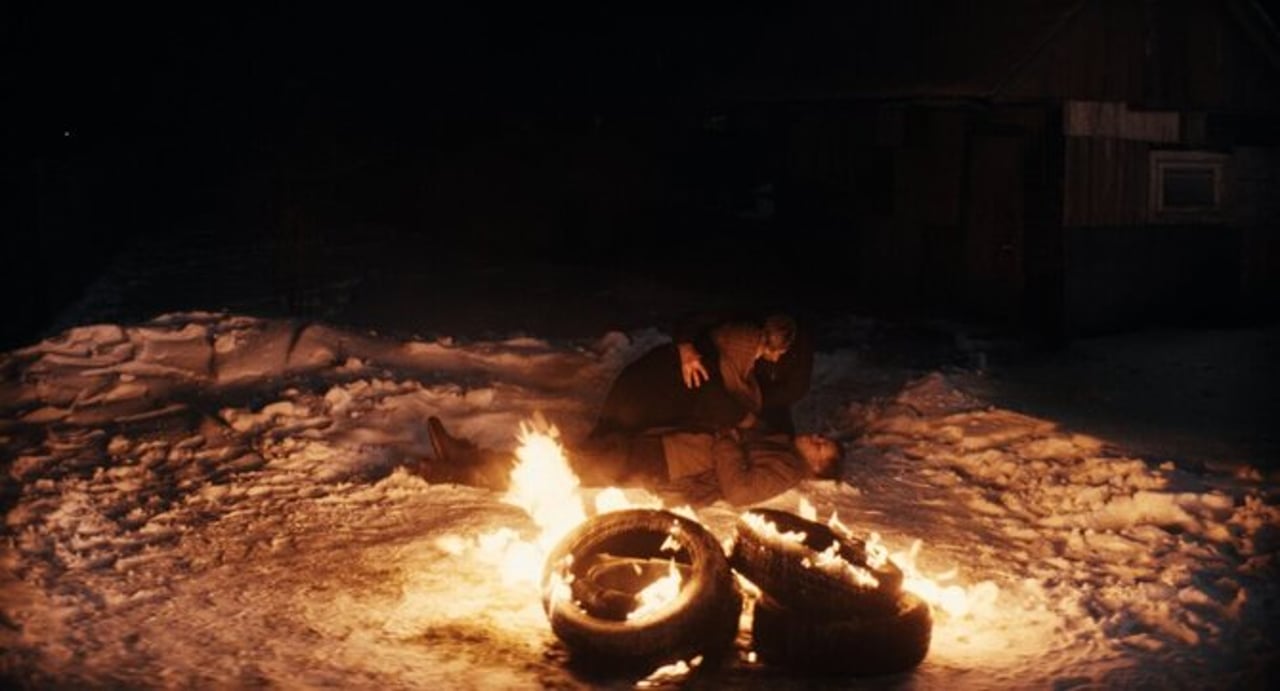
It changes the meaning of ordinary things—you are punished for deciding to bury an innocently murdered son according to custom, or for helping a lonely child. This is the beginning of an irreversible catastrophe: human life loses its value. It is an abyss everyone is approaching, but no one knows where it leads,” says director R. Kirpičenka, explaining the film’s ideas.
The Ukrainian-born director, who was born in Lithuania, says he finds it difficult to answer which place and which nation he belongs to. His paternal grandfather was of Belarusian origin but was born in Ukraine. He studied physics and, after graduating in Dnipro, was sent to work in Russia. Rostislav’s father was born there, and his grandparents later moved to Lithuania.
Having grown up in Lithuania, the director’s father returned to Ukraine to study. There he met Rostislav’s mother, who is Ukrainian. After completing their studies, they returned to Lithuania, where their son was born. “When I was almost six, my family moved to Ukraine again. I have Lithuanian citizenship, but I hardly speak Lithuanian,” he admits, adding that Lithuanians do not consider him Lithuanian, while in Ukraine he is not registered either, because he has a Lithuanian passport.
In February 2014, two months before the war in Donbas began, Rostislav was offered the opportunity to continue his football training in the Czech Republic. He later played football in Germany and Luxembourg. In 2016, he went to Paris to work as a nanny, enrolled at the prestigious Sorbonne University, earned a degree in French language and literature, and eventually began studying at the Fémis film school.
It was there that he met film producer Helena Pokorny, with whom he brought the “Spring” project to life. R. Kirpičenka wrote the first version of the screenplay in his final year at Fémis.
“I realized I had to make this film when I met up with my family in Lithuania in 2022 and was preparing to go to Ukraine with a film camera, even though I myself didn’t really know what I would do there. I thought I would travel across the country to Dnipro, the city where I grew up. On that journey, I looked at my life through the prism of war. And war changes everything. It destroys memory, while film can record events and preserve them,” says the director.
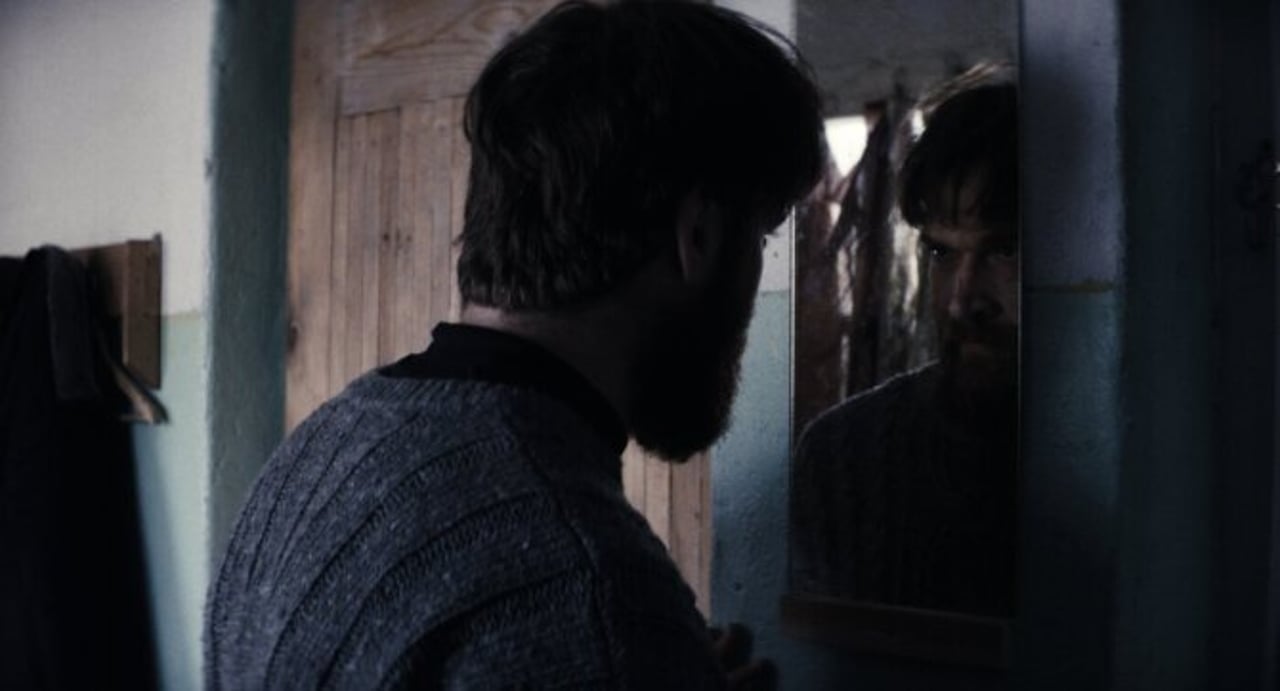
The film was shot in Vilnius and its surrounding areas in the fall of 2025 and January 2026. Lithuanian actors played Russian soldiers.
“I can’t be an ambassador for Ukraine, because I don’t live there. I can only contribute to stories about the war; I allow myself to set the film in Ukraine because I know those people and their character. They are good people, but they are suffering from terrible injustice. I have to talk about it. In fact, it’s the only subject I can talk about,” says R. Kirpičenka, adding that after watching an abyss of pain for four years, he cannot imagine himself making romantic comedies about Paris.
The Lithuanian premiere of the feature film “Spring” will take place on November 15 at the Scanorama festival. The film will be shown in cinemas across the country from November 20. “Spring” is directed and written by R. Kirpičenka, and stars K. Cicėnas, Bartas Ždanavičius, Anastasiia Pustovit, V. Novopolskis, Viečeslavas Lukjanovas and Daumantas Ciunis. Cinematographer: V. Mačiulskis; editor: Marie Vettese; costume designer: Rūta Lečaitė; producers: Helena Porkony, Stasys Baltakis. The film was funded by the Lithuanian Film Centre, the French National Centre for Cinema and the Moving Image, the Estonian Film Institute, and Lithuanian National Radio and Television.