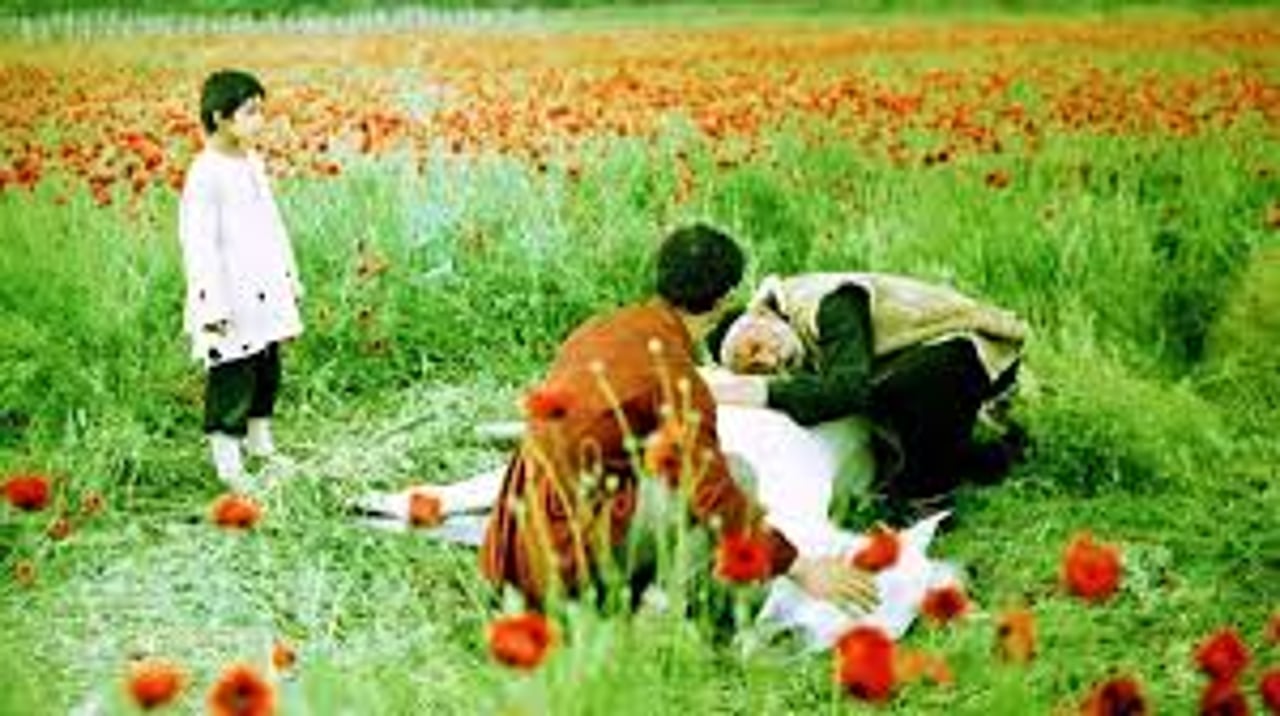
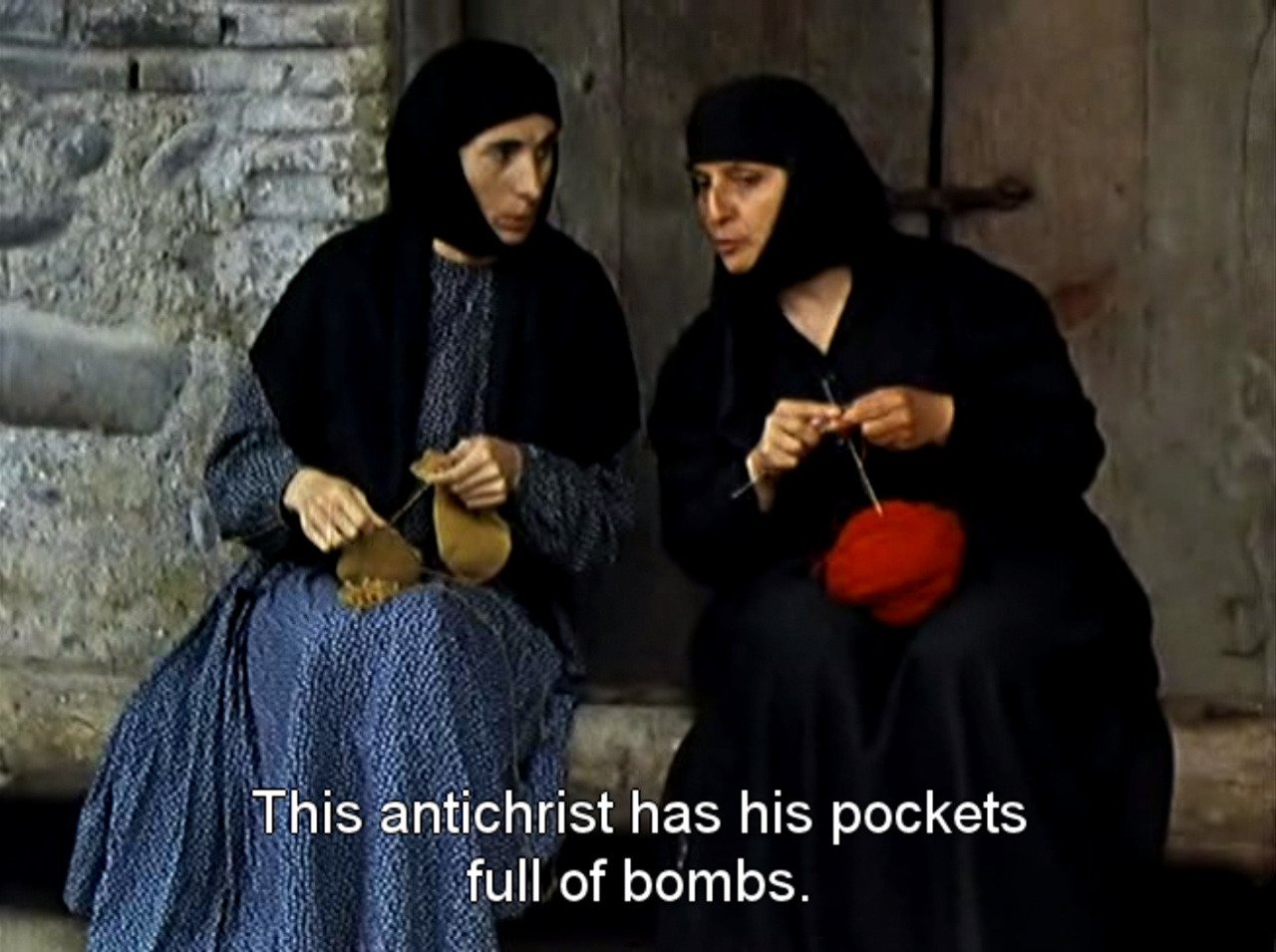
A magical, folkloric tale about a mountain village in Georgia on the eve of the revolution. The film focuses on a girl forced by the villagers to marry a man she does not love. Episodes of pure but forbidden love and the blind convictions of the elders are interwoven into a poetic narrative of the colourful life of the village and the tragic consequences of the community's quarrels. The Wishing Tree won the Special Award at the Karlovy Vary International Film Festival and is still considered one of the most outstanding Soviet-era films in the history of Georgian cinema. The film was stored in the Lithuanian Film Base and, after its liquidation, was transferred to the Lithuanian archive. On the initiative of the Film Institute of Georgia, the film has been digitised and will be presented to Scanorama audiences.


About the film
Details
- Running time
- 1 hr. 47 min.
- Country, year
- Georgia, 1976
- Genre
- Drama
- Language
- Georgian, Russian
- Subtitles
- English, Lithuanian
- Age rating
- Pegi 13
Credits
- Director
- Tengiz Abuladze
- Screenplay
- Tengiz Abuladze, Revaz Inanishvili, Giorgi Leonidze
- Producers
- Rezo Kveselava, Nino Natroshvili
- Cinematography
- Lomer Akhvlediani
- Music
- Jakob Bobokhidze, Bidzina Kvernadze
- Cast
- Iosif Jachvliani, Lika Kavzharadze, Zaza Kolelishvili, Kote Daushvili, Sofiko Chiaureli
- More information
- www.imdb.com
Director
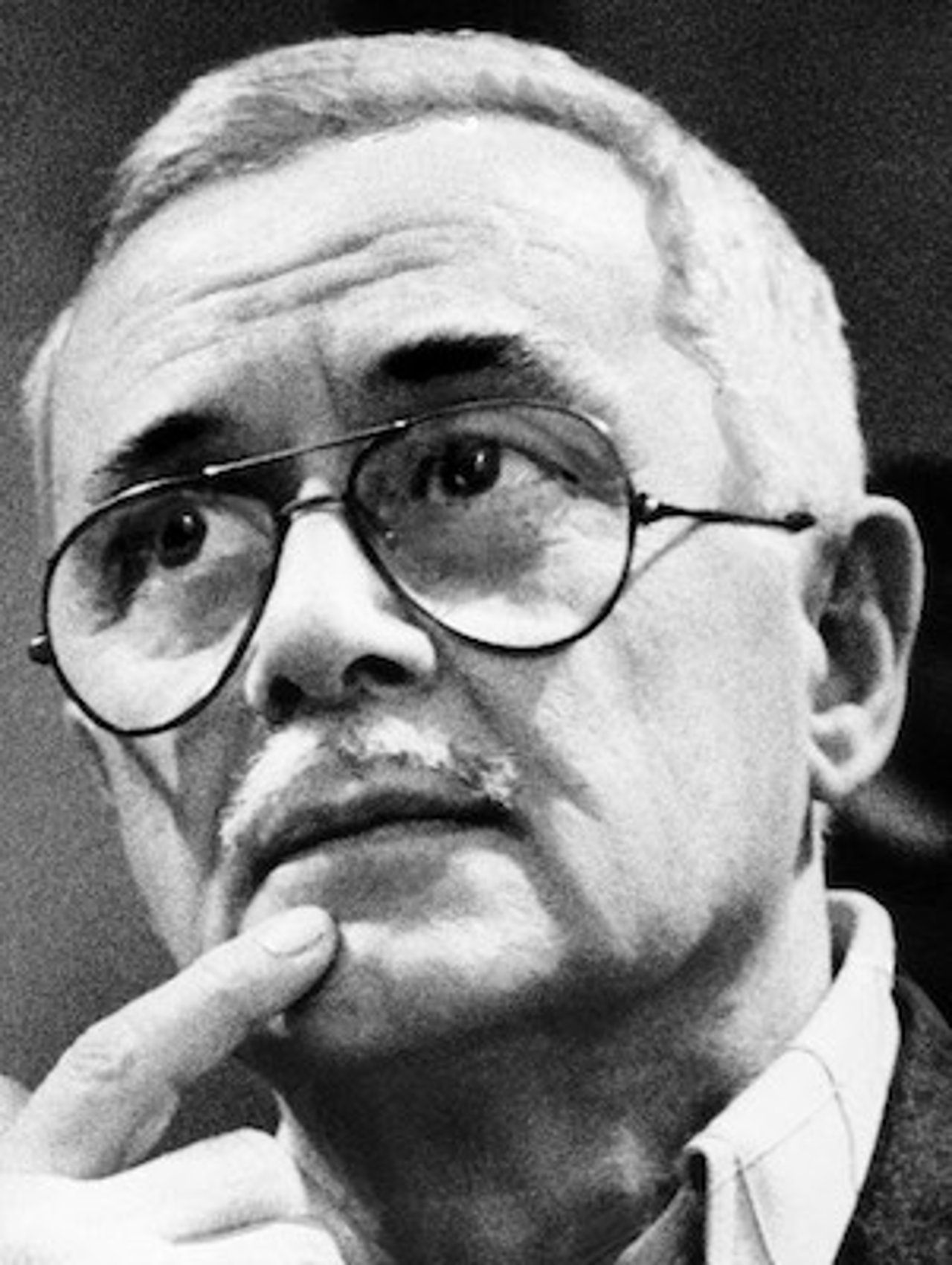
Tengiz Abuladze
Tengiz Abuladze (1924-1994) graduated in theatre directing from the Rustaveli Theatre Institute in Tbilisi and in film directing from the Cinematography Institute in Moscow. He won his first award at the Cannes Film Festival in 1956 for the film Magdana's Donkey. Abuladze is best known for his trilogy The Plea (1967), The Wishing Tree (1976) and Repentance (1984). The trilogy philosophically reflects on good and evil, love and hate. The satire Repentance, despite its open criticism of Stalinist terror, was a great success in the Soviet Union and was shown abroad. Abuladze's work was influenced by Georgian folklore; his films are characterised by a poetic structure and the form of a philosophical parable.


