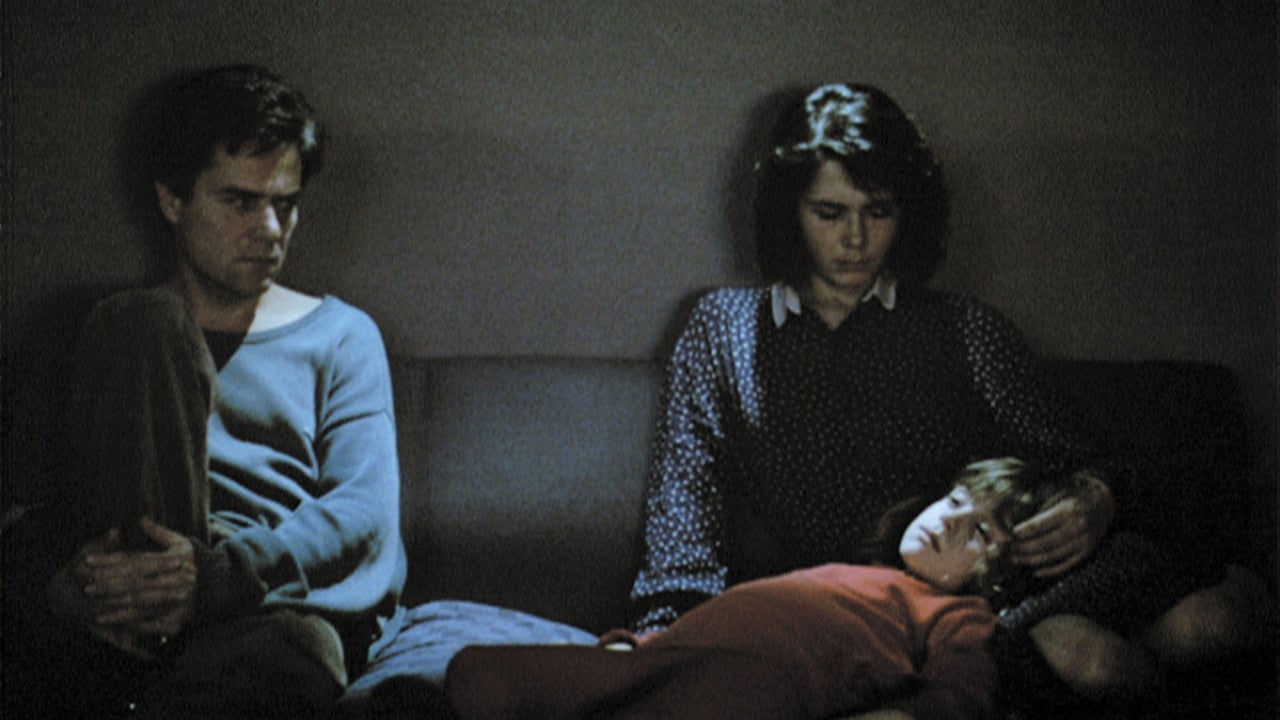
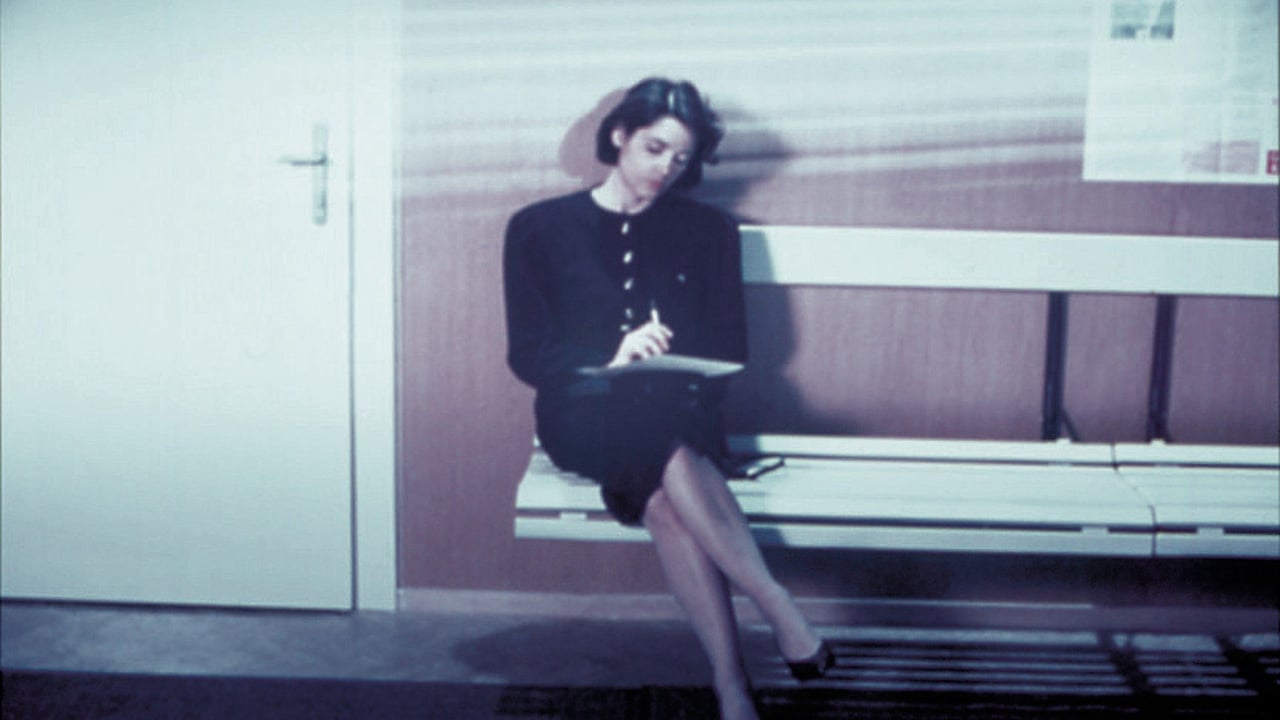
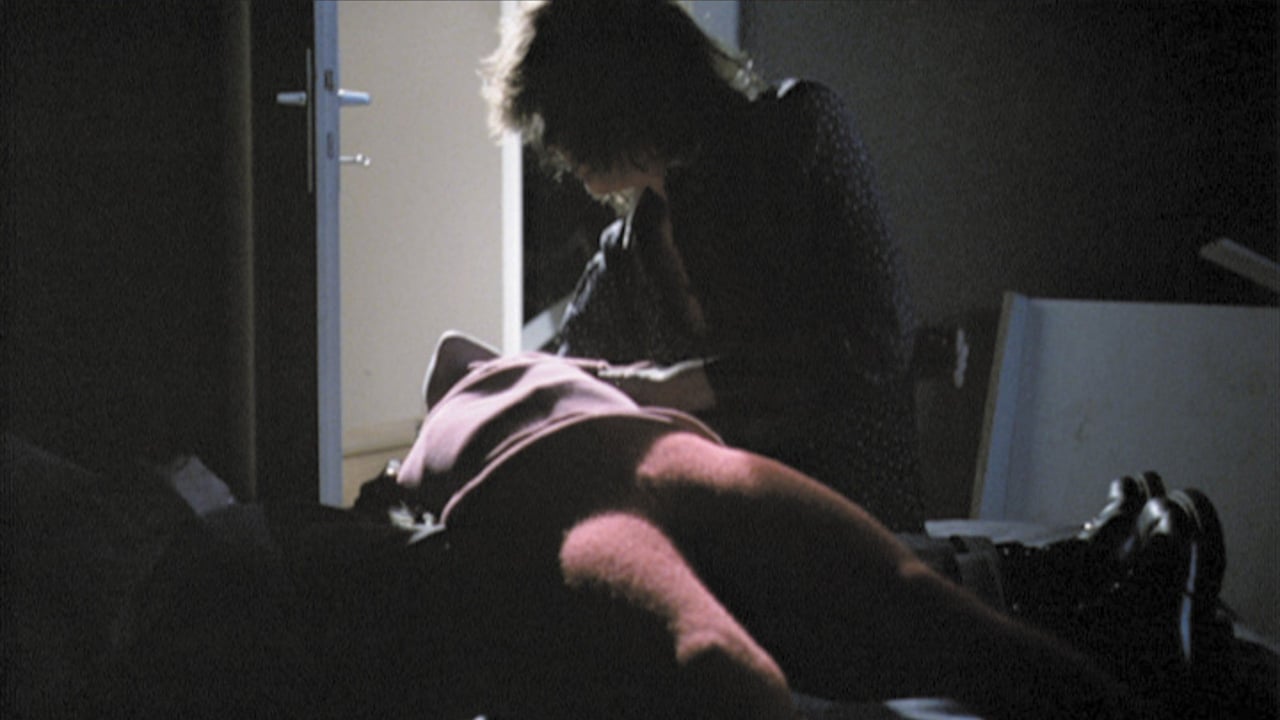
A family of three seem to lead a normal, boring, routine life. The only interruptions they face are the collisions with mundane problems. We see sparing conversations followed by the patterns of objects’ silhouettes. The only thing that slightly changes is their place. Eventually, from the orderly facade of routine rise tension and anxiety. The viewer gets a hunch that the calm scenes on the screen serve as cynical deception. The anthropologist of violence Michael Haneke begins his “Glaciation Trilogy” with “The Seventh Continent”. The trilogy has become a very detailed study on estrangement in nowadays society and its consequences.


About the film
Details
- Running time
- 1 hr. 44 min.
- Country, year
- Austria, 1989
- Genre
- Drama
- Language
- German, French, English
- Subtitles
- Lithuanian
- Age rating
- N-16
Credits
- Director
- Michael Haneke
- Screenplay
- Michael Haneke, Johanna Teicht
- Producers
- Veit Heiduschka
- Cinematography
- Anton Peschke
- Music
- Alban Berg
- Cast
- Dieter Berner, Birgit Doll, Leni Tanzer
- More information
- www.imdb.com
Festivals and awards
- Locarno International Film Festival
Director
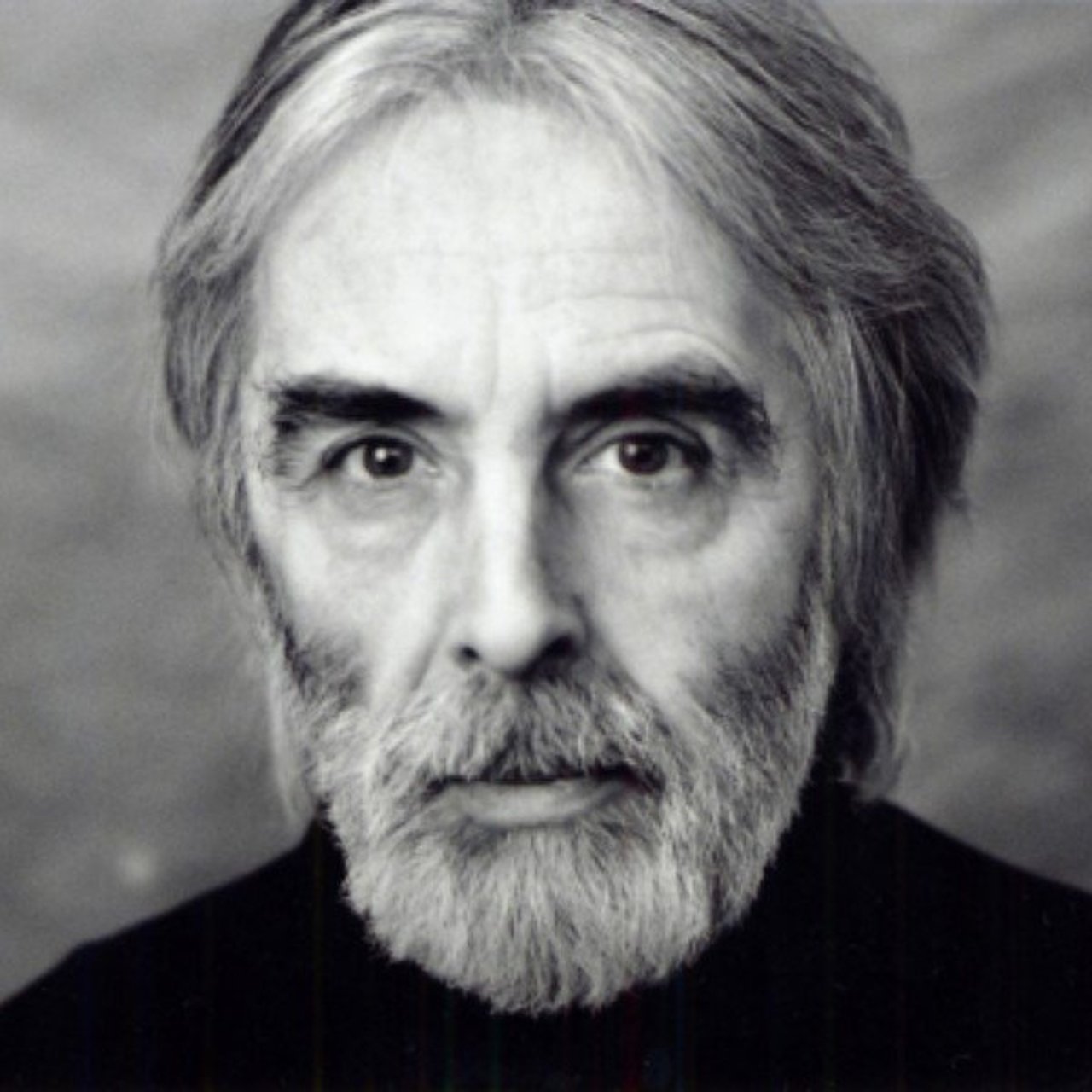
Michael Haneke
Michael Haneke studied philosophy, psychology, and theatre science in Vienna. In 1967-1970 he worked for German television. He shot the trilogy “The Seventh Continent” (1989), “Benny’s Video” (1992), and “71 Fragments of a Chronology of Chance” (1994), in which he presents alienated individuals through an image of their frustrations. When Haneke made his debut film, “The Seventh Continent”, he was already forty-seven. That is exactly why even his very first films demonstrate creative maturity and a unique cinematic language, which made him one of the today’s most outstanding cinema artists.
His films “The White Ribbon” and “Love” won Palme d‘Or in Cannes Film Festival, while “Love” has also won an “Oscar” as the Best Foreign Language Film.


