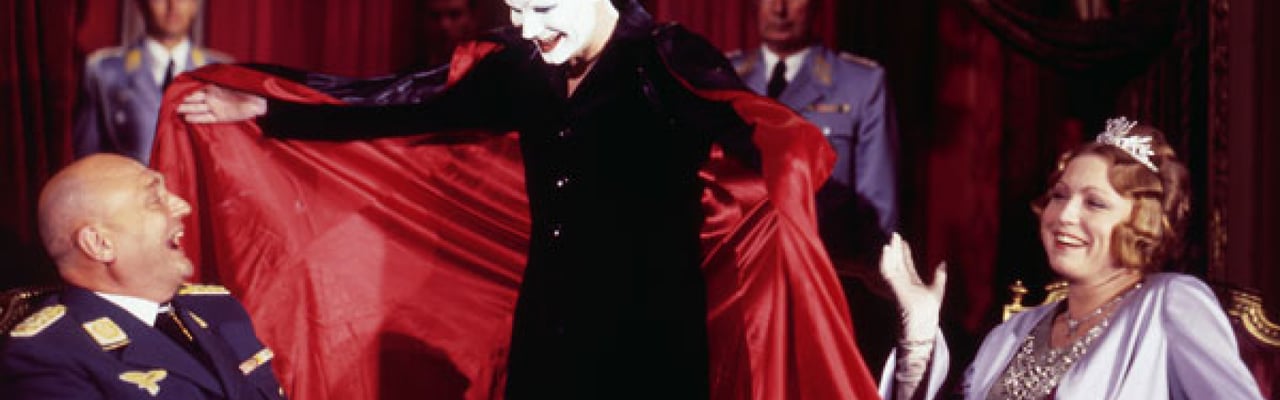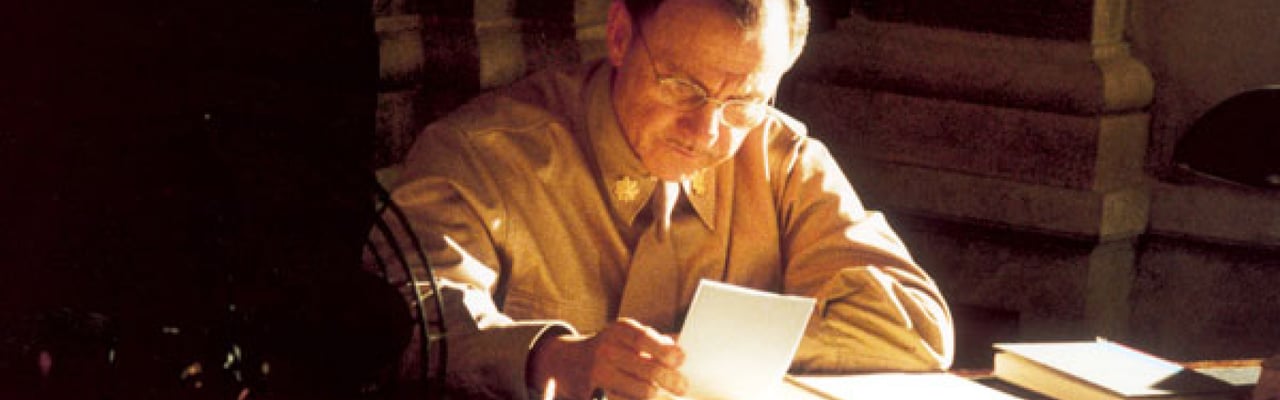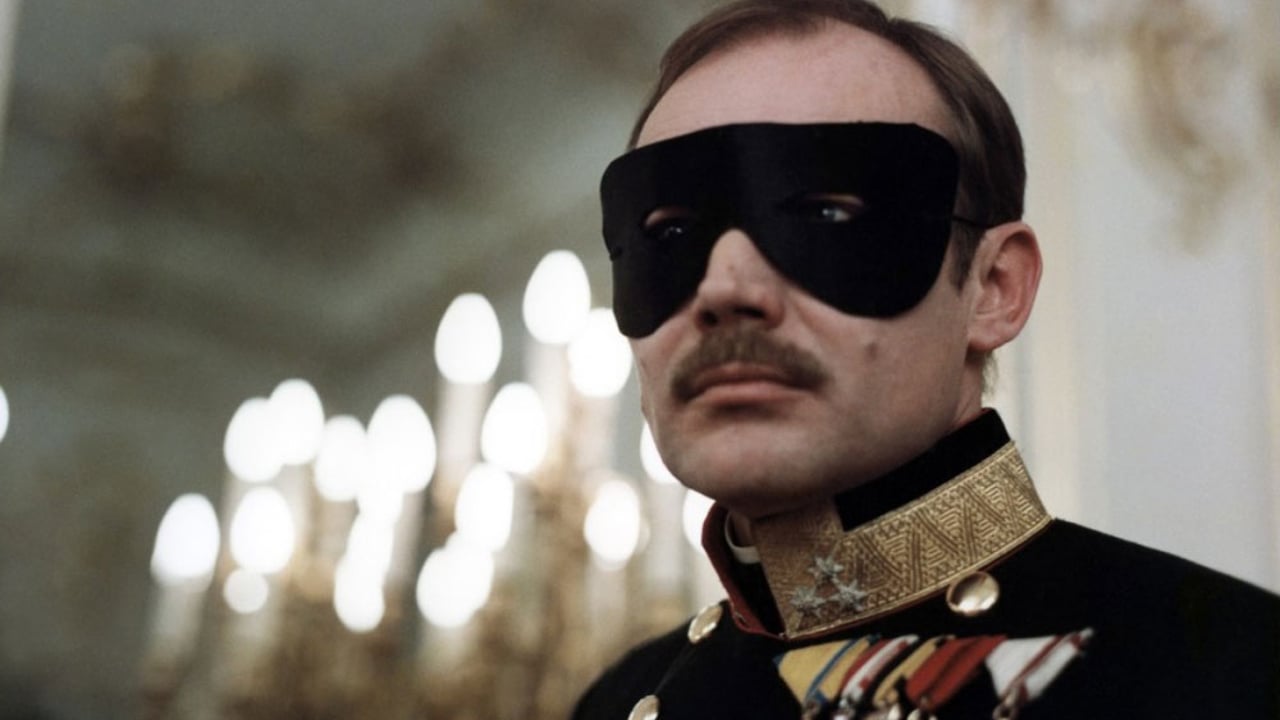
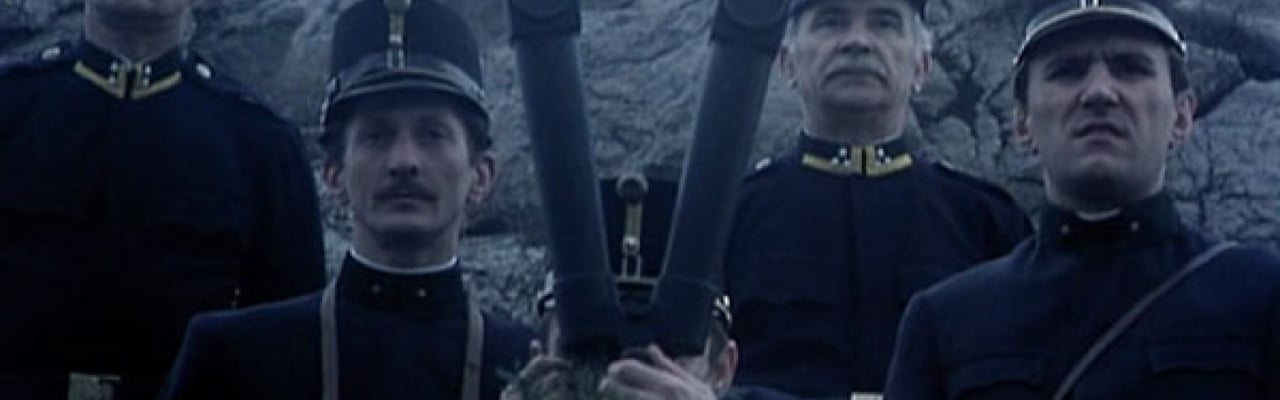
Colonel Redl is based on a true story. Set during the fading glory of the Austro-Hungarian empire, the film tells of the rise and fall of Alfred Redl, an ambitious young officer. Redl, a poverty-stricken Ukrainian of the early 20th century, laboriously works his way into the highest circles of the Imperial Austrian Army. Throughout his upward ascent, Redl is able to keep his homosexuality from becoming public knowledge. Because of his mastery of several languages, Redl is sent by Emperor Franz Joseph to spy on the Russians. Playing one country against the other, Redl enjoys the sexual and monetary favours from both sides of the espionage spectrum until word of his gayness leaks out and he is blackmailed...

About the film
Details
- Running time
- 2 hr. 24 min.
- Country, year
- Slovenia, Croatia, Serbia, Montenegro, North Macedonia, Bosnia & Herzegovina, Hungary, Austria, Germany, 1985
- Genre
- Drama
- Language
- Slovenian
- Subtitles
- Lithuanian, English
- Age rating
- N/A
Credits
- Director
- István Szabó
- Screenplay
- Péter Dobai, István Szabó
- Cinematography
- Lajos Koltai
- Music
- Zdenkó Tamássy
- Cast
- Klaus Maria Brandauer, Hans Christian Blech, Armin Mueller-Stahl
- More information
- www.imdb.com
Festivals and awards
- Jury Prize, selected for competition
- nominated for Best Foreign Language Film
- nominated for Best Foreign Language Film · Best Foreign Film.
- Best Foreign Language Film

Director
István Szabó
Born in 1938 Budapest, István Szabó graduated as a film director from Hungary’s Academy of Art of Theatre and Film. Szabó has won worldwide acclaim from both critics and audiences, not only for the extraordinary beauty of his impressive slate of films, but also for the historic and contemporary importance of the messages that they carry within their social and political themes. His signature film trilogy consists of Mephisto (1981, winner of an Academy Award for Best Foreign Language Film and a Cannes Award for the Best Screenplay), Colonel Redl (1984, winner of a Jury Prize at the Cannes Festival) andHanussen (1988). He made a switch to English-language films with Meeting Venus (1991), Sunshine (1999), Taking Sides (2001).