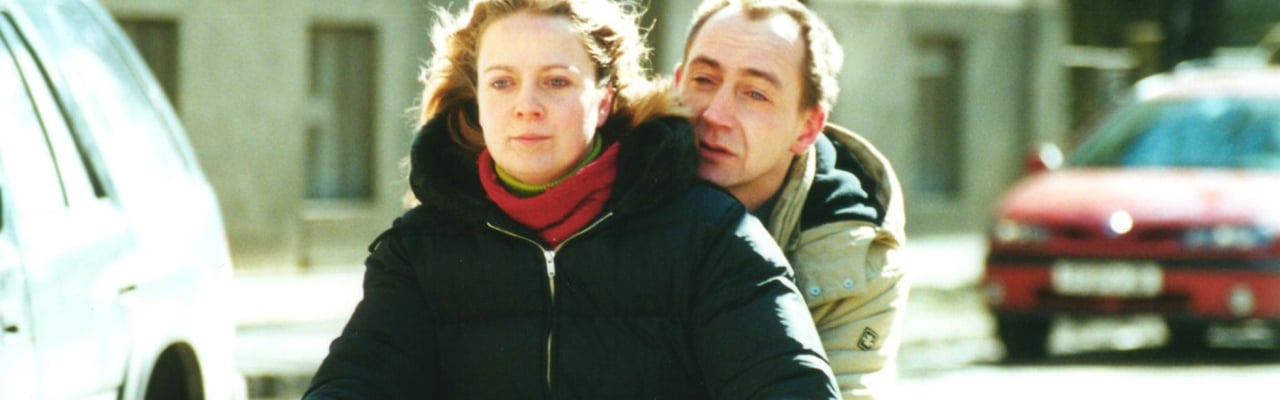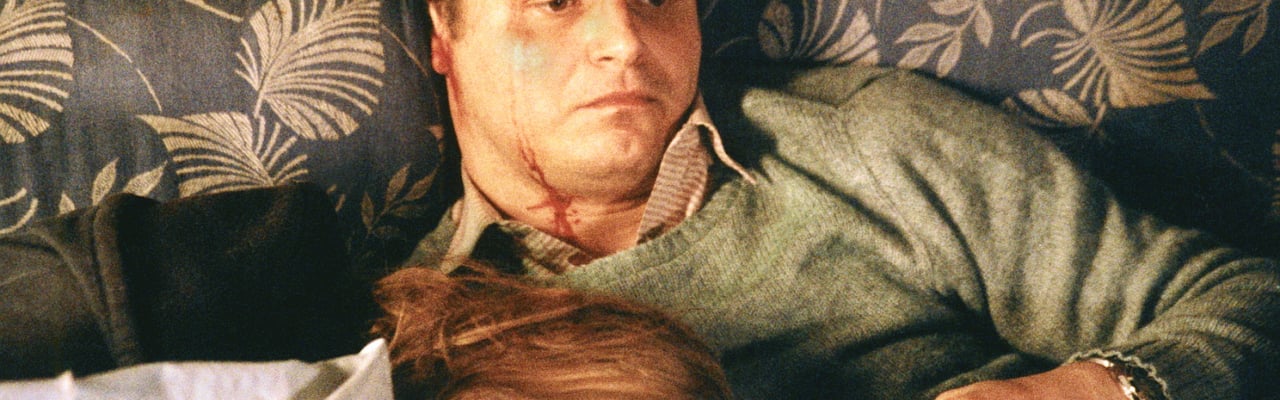
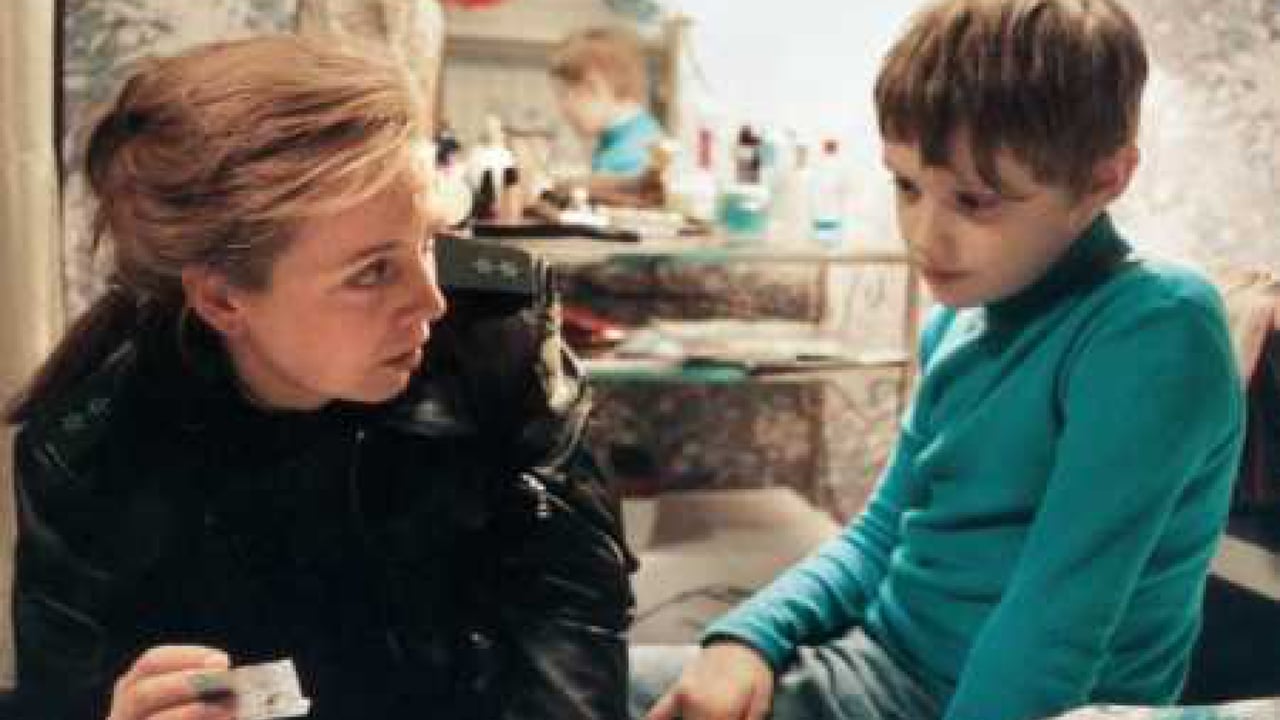
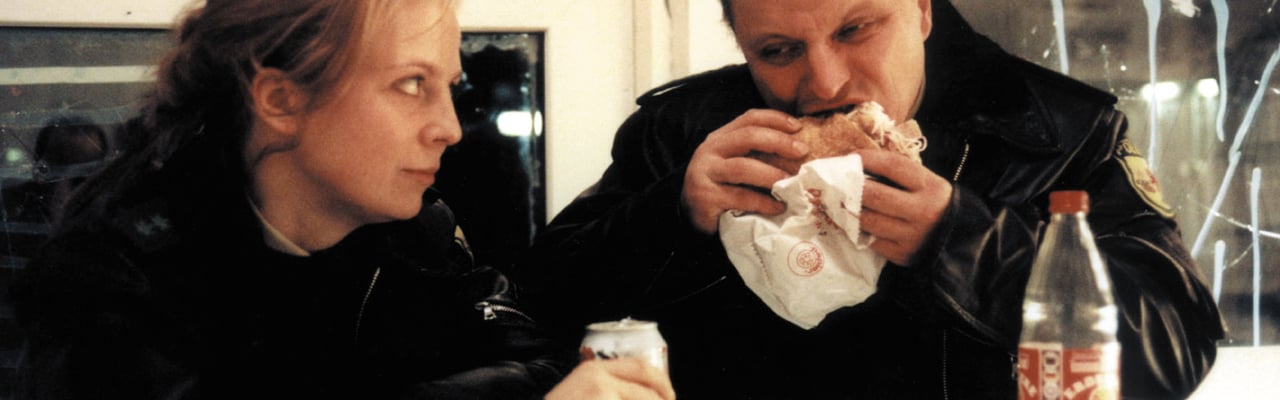
Concrete blocks, high-rise flats, grey voids of streets and monstrous shopping centres. The atmosphere in this problem district of Rostock is gloomy, even when the sun is shining. And it is here of all places that Anne arrives after completing her police training in Berlin. The 27-year-old, ordinary but by no means unattractive policewoman has no ties, and privately she is hoping for a new start, too. But everyday police work is dominated by slow-moving bureaucracy and the daily, more or less meaningful struggle with crime of every kind. Her relationship to her colleague Mike is also ambivalent; on the one hand she is attracted to him, but as she is all too aware, he is married and has two small children. But when Anne meets up with ten-year-old Benny, who has no stability in his family and has been pilfering in supermarkets, she decides to look after him – and so meets Benny’s father Jegor, a small time Russian crook, to whom she feels strangely attracted. But Jegor cannot satisfy Anne’s longings, either...

About the film
Details
- Running time
- 1 hr. 38 min.
- Country, year
- Germany, 2000
- Genre
- Drama
- Language
- German
- Subtitles
- Lithuanian, English
- Age rating
- N/A
Credits
- Director
- Andreas Dresen
- Screenplay
- Laila Stieler, pagal Annegret Held romaną/ based on a novel by Annegret Held
- Cinematography
- Michael Hammon
- Cast
- Gabriela Maria Schmeide, Axel Prahl, Paul Grubba
- More information
- www.imdb.com
Festivals and awards
- won Best Directing for a Movie Made for Television, nominated for Best Movie Made for Television or Miniseries, Best Actress and Best Cinematography.

Director
Andreas Dresen
Andreas Dresen (b. 1963, Gera, Germany) is one of the most highly-awarded German directors. He started out as an amateur filmmaker, then studied at the Konrad Wolf Film and Television Academy in Potsdam-Babelsberg. His feature debut “Silent Country” (1992) competed at Karlovy Vary, and two other films, “Night Shapes” (1999) and “Grill Point” (2001) both screened in competition at the Berlinale, were presented here as well. In 2003 Dresen sat on the jury at the Berlinale. He returned to the theme of relationships in “Cloud 9” (2008), which was awarded last year in Cannes’ Un Certain Regard section, and was subsequently nominated for a European Film Award for Best Director and Best Actress.